|
For Administrators & Aspiring Administrators
Friday October 9, 2026
$20 for Members ($50 Non-Members)
From Burnout to Performance: How Administrators Build Regulated, Effective Teams
5:30-6:30 AM HT | 8:30-9:30 AM PT | 9:30-10:30 AM MT | 10:30-11:30 AM CT | 11:30-12:30 PM ET
A practical session for administrators on reducing burnout and improving team performance. Learn how to regulate team dynamics, strengthen consistency, and build more effective, resilient staff environments under pressure. This session introduces a structured framework that helps leaders understand how stress, emotional overload, and cognitive fatigue impact team behavior, communication, and decision-making. Grounded in principles of emotional regulation, cognitive-behavioral awareness, and performance psychology, the session focuses on how administrators can influence the emotional and behavioral patterns within their teams to create more stable and productive environments.
Learning Outcomes:
1. Identify how stress and emotional overload impact team performance, communication, and consistency.
2. Apply practical strategies to regulate team dynamics and improve real-time responses to high-pressure situations.
3. Implement approaches that support staff effectiveness and reduce burnout-related behaviors.
4. Develop a repeatable framework for creating stable, engaged, and high-functioning teams.

Jazmine M. Davis, M.Ed
Pivot Training and Development
[email protected]
Co-founder of Pivot Training & Development and an experienced educator and training specialist with a background in curriculum design, instructional leadership, and professional development. She specializes in burnout prevention, emotional wellness, and building structured, high-performing environments.
Christopher M. Davis, M.S.
Pivot Training and Development
[email protected]
Co-founder of Pivot Training & Development and a mental performance strategist with over a decade of experience in psychology and human behavior. He specializes in helping individuals and teams perform effectively under pressure through emotional regulation, resilience, and decision-making.
From Teacher to Mentor: Building Capacity in Campus-Based Early Childhood Programs
6:45-7:45 AM HT | 9:45-10:45 AM PT | 10:45-11:45 AM MT | 11:45-12:45 PM CT | 12:45-1:45 PM ET
Are your teachers prepared to mentor pre-service educators? Explore strategies, training approaches, and research-based insights to strengthen mentoring practices and improve outcomes in campus-based child care settings. This presentation draws on qualitative interview data examining the experiences of a mentor teacher who has received formal coaching training. Findings suggest that formal training shifts mentor teachers' approaches from directive instruction toward a more facilitative, partnership-based model. Key themes include the importance of relationship-building, the use of questioning to promote reflection, and emphasis on pre-service teacher ownership of learning.
Learning Outcomes:
1. Analyze mentoring in campus-based child care settings as a distinct professional practice requiring specific preparation.
2. Describe how formal mentor training influences mentoring approaches and teacher learning.
3. Examine your own program's mentoring structures through a qualitative and reflective lens.
4. Apply research-informed strategies to strengthen mentor teacher preparation within your setting.
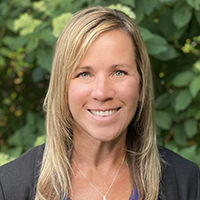
Amy Taylor, M.Ed (Ed.D anticipated Fall 2027)
James Madison University
With over 23 years of experience in early childhood education, Amy Taylor currently serves as the Executive Director of the Young Children's Program at James Madison University. Her work emphasizes creating supportive, developmentally appropriate environments and mentoring future educators in the field.
Guiding with Grace: Steps for Fair and Compassionate Progressive Discipline
8:00-9:00 AM HT | 11:00-12:00 PM PT | 12:00-1:00 PM MT | 1:00-2:00 PM CT | 2:00-3:00 PM ET
This workshop guides campus-based administrators and educators in clear, compassionate documentation and progressive discipline — providing practical strategies, real-world scenarios, and strengths-based approaches to support staff growth and foster a positive, equitable workplace. This session provides a practical overview of effective documentation and progressive discipline. Participants will explore what to document, how to create clear and objective records, and how to navigate the stages of progressive discipline — from informal coaching to formal written steps. Approaches include strengths-based leadership, adult learning theory, reflective supervision, and trauma-informed and anti-bias practices.
Learning Outcomes:
1. Identify key elements of clear, objective, and professional documentation.
2. Apply the stages of progressive discipline effectively and consistently.
3. Conduct challenging conversations with staff using a compassionate, strengths-based approach.
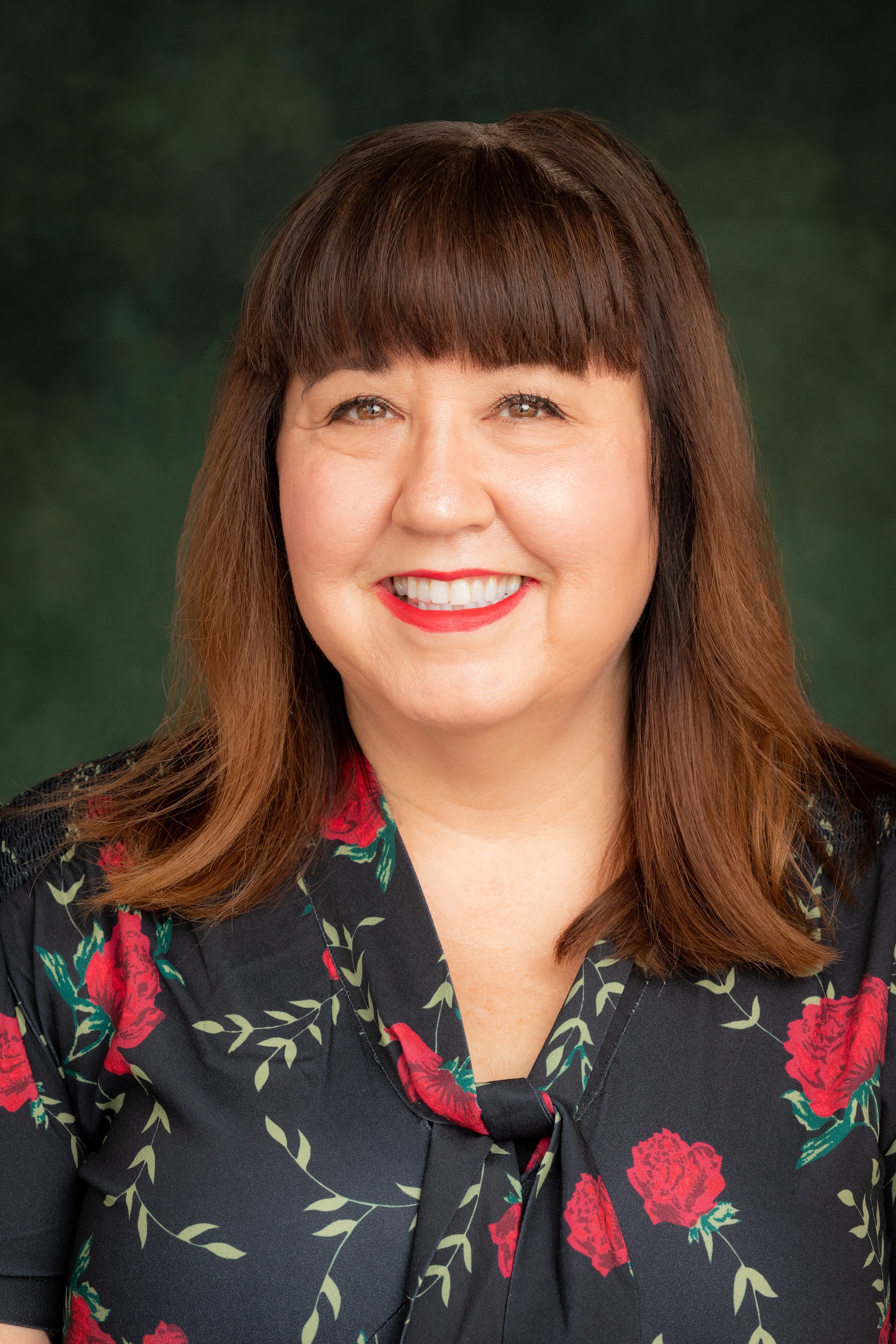
Stacey Smith-Clark
Long Beach City College Child Development Center
With over 30 years in early childhood education, Stacey currently manages the Long Beach City College Child Development Center and Lab School, supporting over 150 children and families annually. She holds a Master's in Human Development with specializations in Anti-Bias Education, Leadership in Education, and Infant and Toddler Development, and has served as President of the National Coalition for Campus Children's Centers.
For Teachers & Aspiring Leaders
Saturday October 10, 2026
$20 for Members ($35 Non-Members)
Designing to Support Teacher Well-Being and Reduce Turnover
5:30-6:30 AM HT | 8:30-9:30 AM PT | 9:30-10:30 AM MT | 10:30-11:30 AM CT | 11:30-12:30 PM ET
Led by experienced designers, this session explores how early learning environments support teacher well-being and model best practices — offering practical strategies to improve classroom conditions, staff satisfaction, and teaching effectiveness. This session covers how the physical environment impacts teacher well-being, including air quality, natural light, ergonomics, acoustics, and healthy building materials. It explores spaces that support collaboration and quiet restoration, trauma-informed design strategies, and the therapeutic potential of outdoor space — with real-world examples and a hands-on small-group brainstorming activity.
Learning Outcomes:
1. Identify key environmental drivers of workplace well-being.
2. Recognize and improve environmental conditions that contribute to teacher stress, fatigue, and burnout.
3. Learn strategies to create supportive environments.
4. Create an improvement plan for your own center.
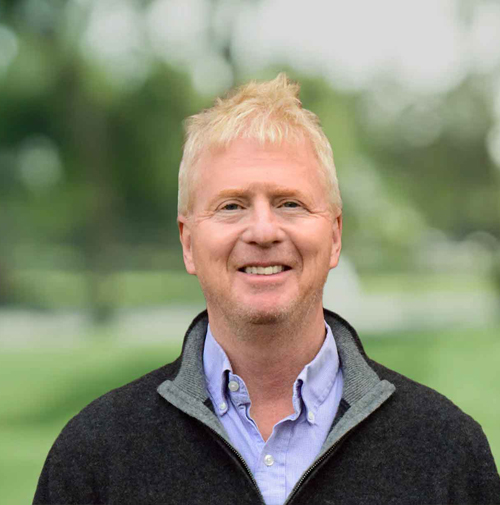
Michael Lindstrom, AIA, LEED AP
Ashley McGraw Architects
[email protected]
A Principal at Ashley McGraw Architects and recognized leader in the design of play and learning environments for children. With more than 36 years of experience, he brings deep expertise in early childhood planning, design, and construction — including renovations, new construction, and adaptive reuse projects.
How to Project Approach with EVERY Student
6:45-7:45 AM HT | 9:45-10:45 AM PT | 10:45-11:45 AM MT | 11:45-12:45 PM CT | 12:45-1:45 PM ET
This session showcases real-life examples proving the unique needs of our young learners shouldn't be a reason why we can't do project work, but why we absolutely should. This session defines inclusion, inquiry-based learning, and the Project Approach through the works of John Dewey, Lillian G. Katz, Trevor Makenzie, Victoria Damjanovic, and Stephanie Branson. Real classroom examples demonstrate students succeeding because of project work. Participants will reexamine challenging behaviors through a Project Approach lens and walk away with concrete strategies and provocations to implement in their own classrooms.
Learning Outcomes:
1. Understand what inquiry-based learning and the Project Approach look like in early childhood settings.
2. Re-examine challenging behaviors through a Project Approach lens.
3. Explore examples of how to elicit project participation from all students.
4. Create activities and provocations that are inclusive of all students.
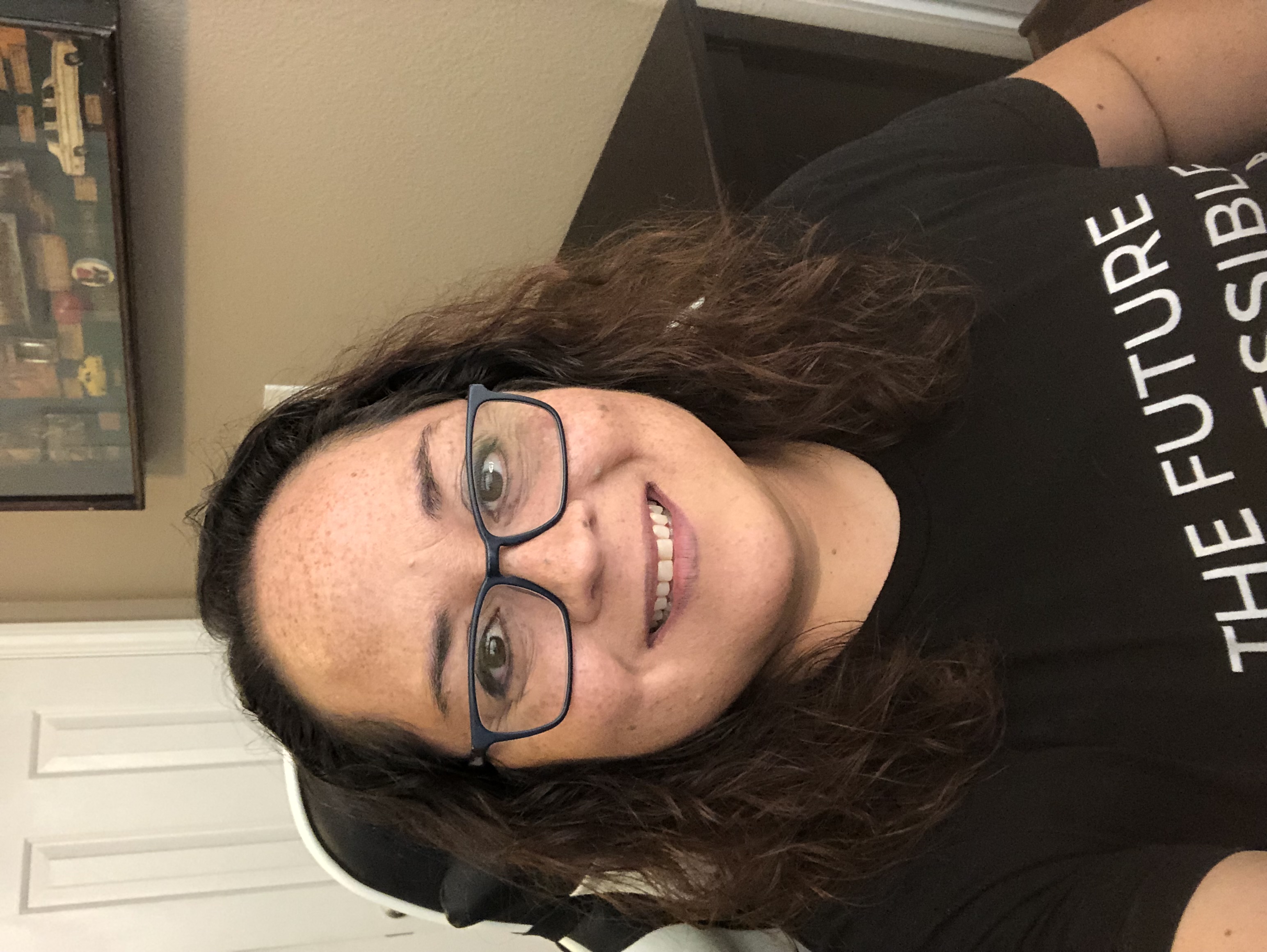
Jolene K. Chavez
Northern Arizona University, Early Learning and Development Center
A National Board Certified Teacher and mentor teacher at the Early Learning and Development Center at Northern Arizona University. She brings 18 years of experience in Early Childhood Special Education and inclusion, including 14 years working with students with IEPs in a large urban district. She has presented at NAEYC's 2025 Annual Conference and created professional development for Title I and Special Education teachers.
Empowered from the Start: Instilling Self-Esteem and Agency in Young Children
8:00-9:00 AM HT | 11:00-12:00 PM PT | 12:00-1:00 PM MT | 1:00-2:00 PM CT | 2:00-3:00 PM ET
This session explores practical strategies for nurturing healthy self-esteem and a strong sense of agency in young children. Participants will learn how everyday interactions, language, play, and teacher practices shape self-perception, confidence, and resilience, and belief in their ability to make choices and affect outcomes. Real classroom examples demonstrate children thriving when given genuine opportunities for choice, voice, and ownership over their learning. Participants will reexamine common classroom routines through an agency-building lens and walk away with concrete strategies and provocations to implement in their own classrooms.
Learning Outcomes:
1. Understand what self-esteem and agency look like in early childhood settings.
2. Re-examine everyday classroom interactions through an agency-building lens.
3. Explore examples of how to foster independence and problem-solving in all students.
4. Create activities and environments that help all students feel valued, capable, and heard.
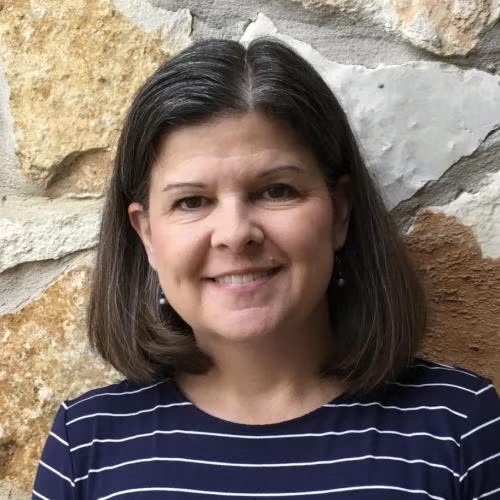
Lara Pauley, MEd
Associate Professor of Practice in Human Development and Family Sciences at The University of Texas at Austin, Lara Pauley creates hands-on learning experiences for toddlers and college students through the Priscilla Pond Flawn Child and Family Laboratory. She holds a BS from UT Austin and an MEd in Early Childhood from UT Tyler, and brings more than 30 years of experience in child development and early learning. Lara is passionate about helping children build a strong sense of self and healthy social-emotional skills through positive, nurturing classroom environments.
Download the flier to print
|